Metallurgy Crisis Expands to Public Finances, Threatening Industrial Cities and State Budgets
Production cuts in Ukraine's steel sector due to logistical and energy hurdles are triggering a cascade of declining tax revenues, threatening local and national financial stability.
 💼Economy
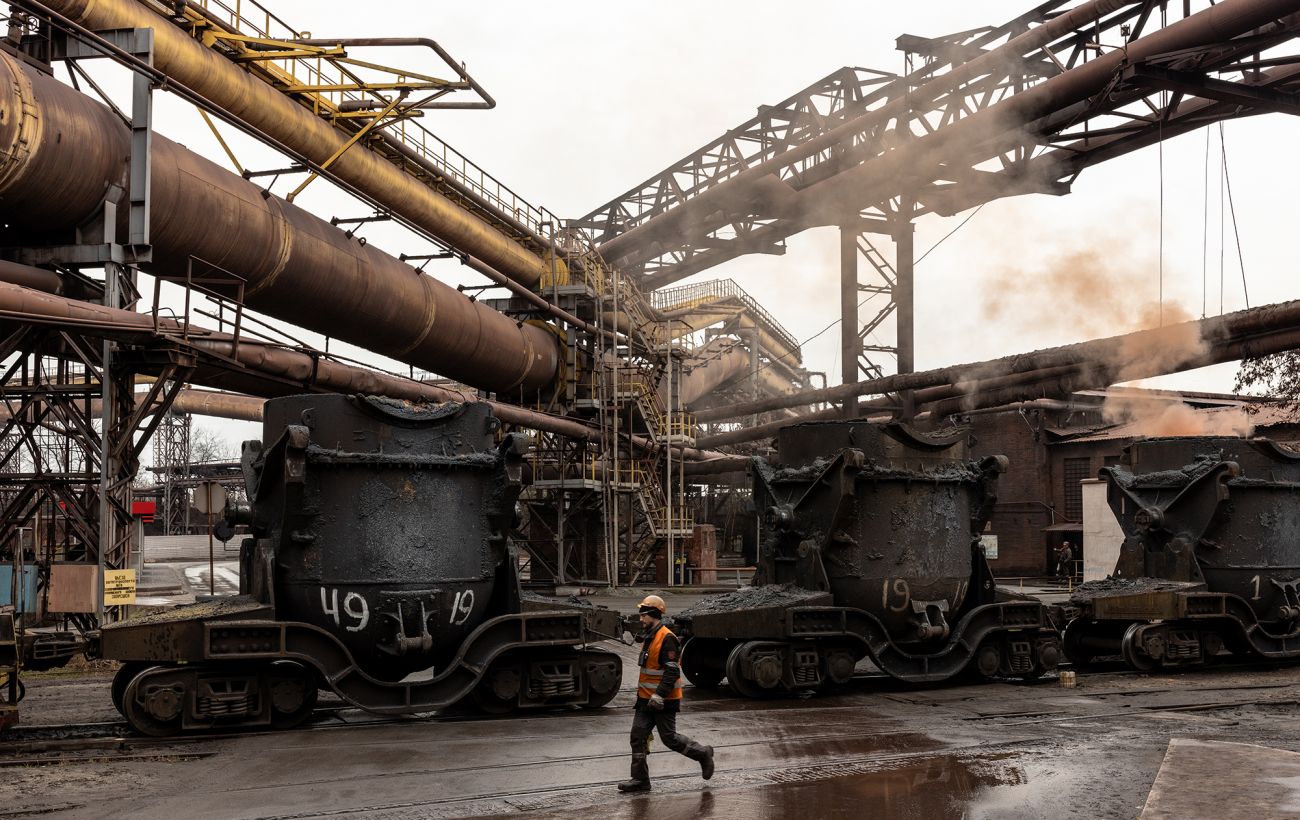
Photo: RBC-Ukraine
Key points
- steel industry crisis
- tax revenues
- local budgets
- cascade effect
The crisis in Ukraine's metallurgical sector has evolved beyond the challenges of a single industry, presenting a systemic threat to both national and municipal finances. Reduced steel production translates directly into lower tax contributions, job losses, and a drop in orders for related sectors. According to GMK Center data, ongoing security threats, port blockades, high logistics costs, and power shortages have severely impacted the financial performance of major enterprises.
Financial Decline and Cascade Effects
During the first nine months of the year, leading steelmakers reported a noticeable decrease in tax payments. Metinvest cut its tax contributions by 6% to UAH 13 billion, with VAT revenues plunging by 36% and corporate income tax dropping by 26%. Similar negative trends were recorded at other industrial sites, including the Dniprovsky Metallurgical Plant.
This crisis creates a cascading effect across the economy. Every reduction in output diminishes demand for energy, rail transport, machinery, logistics, and small businesses. Metinvest CEO Yuriy Ryzhenkov noted that the industry has reached a critical juncture where steelmakers risk losing production capabilities, while the state faces the loss of billions in budget revenues.
Cities whose local budgets rely heavily on large industrial taxpayers are feeling the pressure acutely. Declines in personal income and land taxes have forced municipal authorities to downsize development programs, freeze road repairs, and trim spending on education, healthcare, and infrastructure projects. Experts emphasize that unblocking ports, reducing logistics costs, and ensuring stable energy supplies are vital to preserving the fiscal foundation of the country.
Source RBC-Ukraine — rbc.ua/ukr/news/kriza-metalurgiyi-pererostae-krizu-byudzhetiv-17954… ↗
Read next
 🛡️Security
Artificial Intelligence on the Frontline: How Ukrainian Ground Robots Are Moving Toward Autonomy
Ukrainian developers are actively integrating artificial intelligence and autopilot systems into ground robotic complexes to reduce operator dependence.
 🧠AI Analysis
New Geography of Naval Warfare: Explosions and Fires Hit Russian Vessels from Libya to the Baltic
Recent incidents involving Russian ships in Benghazi and the Gulf of Finland highlight the growing vulnerability of Moscow's global military logistics.
 🛡️Security
Zelenskyy Reports on Updated Russian Strike Plans and Energy Protection Measures
The Main Directorate of Intelligence has briefed the country's military-political leadership on Russia's renewed plans for strikes across Ukraine.
 🛡️Security
Defense Ministry: Russia launched over 4,000 jet drones against Ukraine in October
The intensity of enemy air attacks has increased significantly compared to the beginning of the year amid growing production rates.
 🏛️Politics
NABU and SAPO Expose Former Vice Prime Minister Over Budget Embezzlement Through Fake Employment Scheme
Anti-corruption agencies served notice of suspicion to a former vice prime minister and two officials over a scheme involving fake hiring of security and drivers at state…
 🇺🇦Ukraine
Estonia Refutes Rumors of Trump Demanding End to Aid for Ukraine
Estonian Prime Minister Kristen Michal stated that Donald Trump did not call on Europe to halt aid to Ukraine, suggesting potential translation errors.