Microplastics as chemical agents: new findings on health impacts
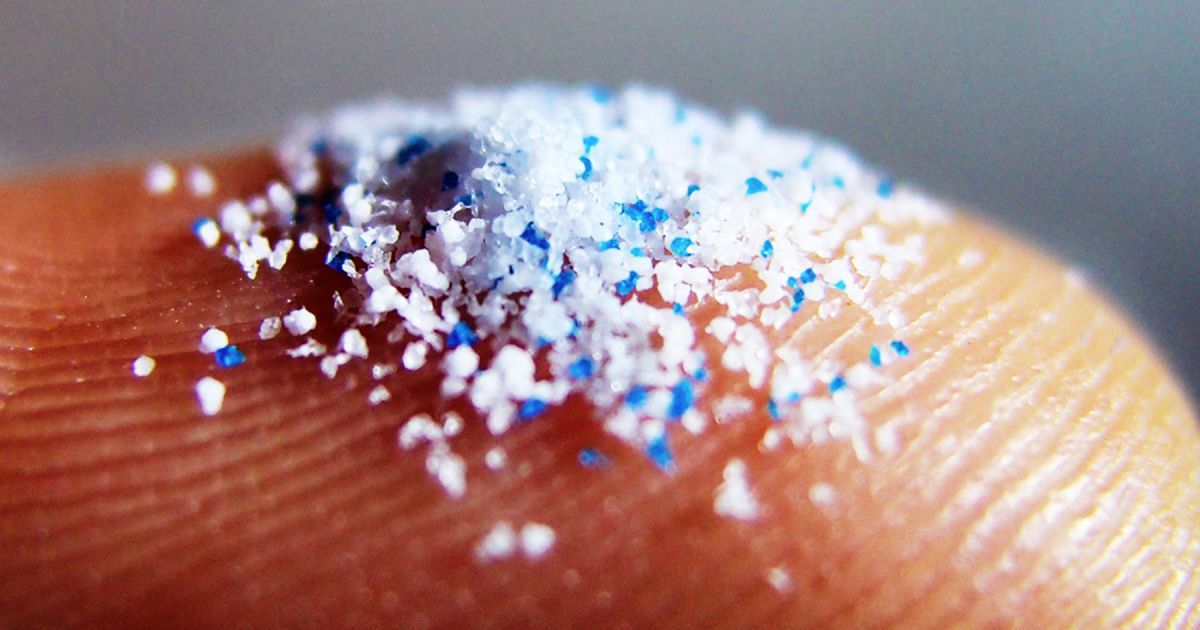
Researchers have discovered that microplastics in water can trigger chemical reactions that damage living cells.
 🩺Health
Photo: TSN
Key points
- Microplastics generate reactive oxygen species in water
- Cell damage confirmed in laboratory settings
- Polyethylene and polypropylene are the most active types
- Heating plastic accelerates the release of hazardous particles
Scientists from Columbia University and the University of California, Berkeley, have released research findings that shift the understanding of microplastic hazards. While previously viewed as passive pollutants, these particles have now been shown to be chemically active.
Chemical hazards at the molecular level
Upon contact with water, reactive oxygen species (ROS) form on the surface of plastic fragments. These compounds are capable of damaging proteins, DNA, and cellular structures. The study examined six common types of plastic, with polyethylene and polypropylene proving to be the most reactive.
Laboratory tests on mouse red blood cells demonstrated that interaction with microplastics causes cells to deform and rupture. Crucially, as plastic fragments break down into smaller pieces, their total surface area increases, which amplifies the risk of dangerous chemical reactions occurring.
Source TSN — tsn.ua/zdorovya/mikroplastyk-vyiavyvsia-nebezpechnishym-niz-vvazaly-shc… ↗
Read next
 💼Economy
Lviv Senior Citizen to Stand Trial for Supplying Drugs to Prison
The case of a 61-year-old Lviv resident accused of repeatedly sending illegal substances to a correctional facility has been forwarded to court.
 💼Economy
Giant Solar Complex Near the Sahara Generates Electricity Even at Night
Morocco's Noor solar plant uses molten salt heat storage technology to provide electricity to over a million people long after the sun goes down.
 🛡️Security
Geneva Talks on "Killer Robots" Fail to Reach Legally Binding Treaty
UN disarmament talks in Geneva ended with a weaker, non-binding agreement after resistance from Russia and reluctance from major military powers.
 🛡️Security
Destruction of Russian Corvette 'Merkuriy' Near Libya Impacts Moscow's Mediterranean Logistics
The sinking of Russia's modern corvette 'Merkuriy' by Ukrainian defense forces off the coast of Libya has delivered a blow to Moscow's logistical routes and African ambit…
 🏙️City
Lozova residents warned of upcoming snowfall and slippery roads
Meteorologists forecast snowy weather, ice on roads, and gusty winds across Ukraine and the Kharkiv region in the coming days.
 🚨Events
Ukrainian Forces Strike Russian Drone Hub in Rylsk and Detail Counter-Offensive in Kharkiv Region
Ukrainian Air Assault Forces destroyed a basing point of the elite 'Rubikon S' drone unit in Kursk region and refuted Russian claims of civilian mining. Details of the su…