How to find the cause of damp walls: A simple foil test for Lozova residents
With the onset of cold weather, many households face mold and damp patches on walls. A simple foil test helps determine whether the issue is ordinary condensation or structural water ingress.
 👥Society
Photo: TSN
Key points
- Home dampness is caused by condensation or internal water ingress.
- The foil test helps distinguish surface moisture from wall dampness.
- Painting over mold without fixing the root cause is ineffective.
- Monitoring indoor humidity helps prevent mold growth.
As the heating season begins and temperatures drop, residents often notice unpleasant changes in their homes: corners darken, a damp smell appears, and wet patches emerge on wallpaper or paint. For residents of Lozova, particularly in buildings with varying degrees of wear and tear, this issue is highly relevant. Before starting cosmetic repairs or buying specialized products, it is vital to correctly identify the source of excess moisture.
Home diagnostics: How the foil test works
Experts suggest using a quick and accessible testing method involving ordinary aluminum foil. A piece of foil measuring about 20 by 20 centimeters is securely taped to the damp wall area on all four sides. This hermetically sealed zone is left in place for a day or two before checking the surfaces.
If water droplets form on the outer side of the foil facing the room, it indicates surface condensation. Warm indoor air contacts the cold wall and turns into water. In this case, homeowners should review ventilation, check extractor fans, and ensure proper air circulation behind large furniture pieces.
When the problem hides within the structure
A different result occurs if the wall itself is wet beneath the removed foil. Because aluminum foil blocks water vapor, the covered area accumulates moisture originating from inside the wall materials. This could result from facade cracks, waterproofing issues, or hidden pipe leaks. However, experts remind that this test is not a final diagnosis but an initial step.
Simply masking dark spots with new paint or decorative panels will not solve the issue and can complicate proper detection. To monitor indoor microclimate, residents are advised to use hygrometers, keeping relative humidity around 40–60%. If patches continue to grow, professional assistance should be sought.
Source TSN — tsn.ua/other/chomu-ziavliayetsia-plisniava-ta-mokriiut-stinyi-test-iz-f… ↗
Read next
 🚨Events
Trial of Russian officers for shelling Sumy: investigation completed
An indictment has been filed against eight Russian military personnel involved in artillery strikes on civilian infrastructure in Sumy in June 2025.
 🎓Education
Ukraine ramps up production of interceptor drones to counter jet-powered UAVs
President Volodymyr Zelenskyy announced an increase in effective countermeasures against new types of enemy drones.
 👥Society
Protecting the power grid: government prepares new solutions for energy stabilization
President Volodymyr Zelenskyy held a meeting to strengthen energy security and restore electricity supply in affected regions of Ukraine.
 🚨Events
Two pedestrian accidents reported in Ternopil
Local authorities in Ternopil are investigating two separate traffic accidents involving pedestrians. Both victims were injured, and investigations are ongoing.
 👥Society
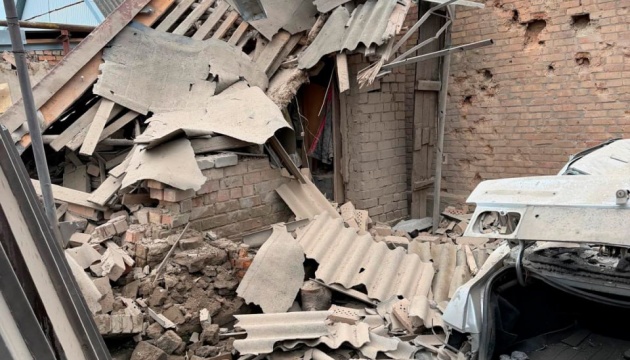
Consequences of massive shelling in Dnipropetrovsk region: casualties reported
Over the past 24 hours, Russian forces launched 40 strikes on the Dnipropetrovsk region, causing casualties and infrastructure damage.
 👥Society
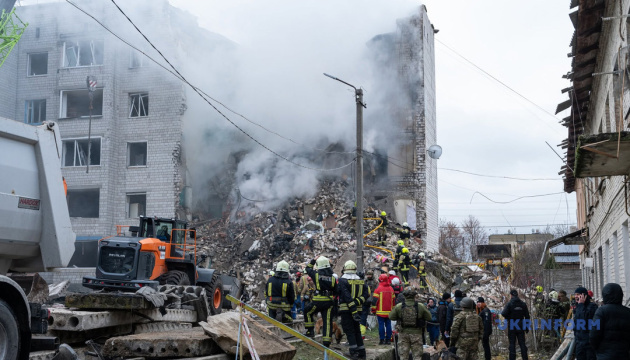
Tragedy in Dymer: Rescue operations concluded following Russian strike
Emergency rescue operations at the site of a drone strike on a residential building in Dymer have been completed. The attack resulted in 11 deaths, including a child.