Number of Ukrainian Children Deported by Russia Remains Unknown, Despite Repatriation Efforts
Ukraine officially confirms the deportation of over 20,000 children to the Russian Federation, while Russia claims 744,000, creating significant discrepancies and complicating the repatriation process.
 🏙️City
Photo: TSN
Key points
- Over 20,000 children deported to Russia according to Ukraine
- Russia claims 744,000 'evacuated' children
- Exact number unknown due to occupation and lack of international access
- 2,826 children returned through 'Bring Kids Back UA' program
- Children subjected to ideological pressure and military training
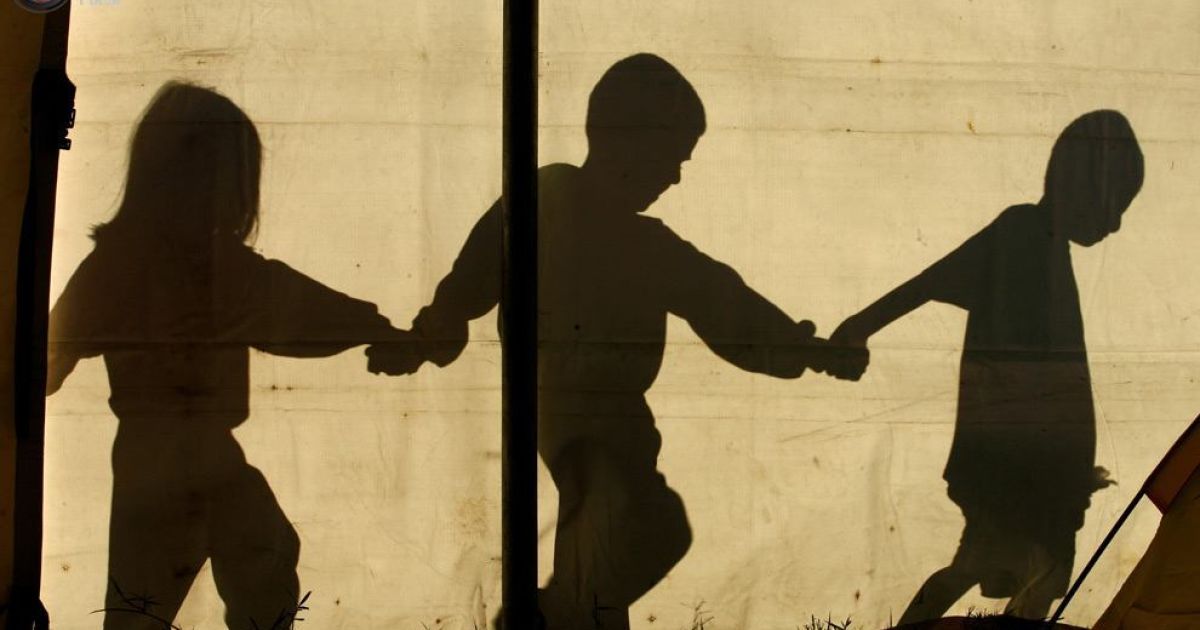
The exact number of Ukrainian children forcibly taken to the Russian Federation remains unknown due to the occupation of territories and the lack of access for international observers. According to official data from Kyiv, over 20,000 children have been deported, while the Russian side states a figure of 744,000 allegedly “evacuated.” This information was confirmed by Daria Herasymchuk, Advisor-Commissioner of the President of Ukraine for Children’s Rights and Child Rehabilitation.
Challenges in Ascertaining Accurate Data and Repatriation
The inability to establish the precise number of affected children is linked to the fact that a significant part of Ukrainian territories is under occupation, and international organizations are not granted access. This creates an information vacuum where only Russia possesses the full picture. According to Herasymchuk, approximately 1.5 million minor citizens of Ukraine reside in the occupied territories, facing daily ideological pressure, involvement in military training, and the risk of forced removal.
The Ukrainian presidential program “Bring Kids Back UA” is actively working on the repatriation of deported children. To date, thanks to joint efforts with partners, public organizations, and state institutions, 2,826 children have been returned. However, the process is extremely complex, as the occupiers actively obstruct repatriation, change children’s names, transfer them to Russian families, and register them as Russian citizens.
Ideological Pressure and Attempts at Assimilation
Testimonies from rescued teenagers, such as Serhii, Vitalii, and Anastasiia, reveal the brutal methods used by the occupiers for ideological influence. Children were constantly indoctrinated with the idea that Ukraine does not exist and that they are “Russian children.” In Donetsk, they were even forced to watch videos of abuse against Ukrainian defenders of Donetsk Airport, attempting to normalize such actions.
These cases highlight not only physical abduction but also attempts at mental and cultural assimilation, which constitute a serious violation of international law and children’s rights.
Source TSN — tsn.ua/ukrayina/skilky-ditey-rosiia-vykrala-z-ukrayiny-chomu-tochna-kil… ↗
Read next
 💼Economy
Financial Crisis in the Agricultural Sector: Ukraine Faces Risk of Mass Farm Bankruptcies
Ukrainian agricultural producers have depleted their financial reserves due to attacks and export challenges, risking the first bankruptcies by spring.
 🎓Education
Denmark to Ban Smartphones in Schools Following Poor PISA Results
The Danish government is introducing a mandatory ban on smartphones and internet-connected devices in schools up to the 10th grade amid declining student performance.
 🏛️Politics
EU Responds to Moscow's Invitation, Emphasizes Multilateral Negotiation Format
The European Commission maintains its stance on inclusive security talks involving NATO and EU members, prioritizing multilateral cooperation over bilateral invitations f…
 🏛️Politics
SAP Prosecutor Praises NABU Media Team Amid Criticism of Evidence Quality
SAP prosecutor Rostyslav Batig highlighted the professionalism of NABU's video editors when questioned about the effectiveness of evidence in high-profile anti-corruption…
 🛡️Security
Strike on Novoshakhtinsk Refinery: Russia Faces Severe Drop in Oil Processing
A massive drone attack halted operations at the Novoshakhtinsk oil refinery in Russia's Rostov region, exacerbating a broader fuel sector crisis.
 🇺🇦Ukraine
Munich converts former BMW offices to house Ukrainian refugees
Munich authorities have leased part of a former BMW administrative complex to provide housing for 600 people, primarily Ukrainian refugees.