EU Responds to Moscow's Invitation, Emphasizes Multilateral Negotiation Format
The European Commission maintains its stance on inclusive security talks involving NATO and EU members, prioritizing multilateral cooperation over bilateral invitations from Russia.
 🏛️Politics
Photo: Ukrainska Pravda
Key points
- EU prefers multilateral negotiations over bilateral meetings in Moscow.
- Security architecture talks are contingent upon a ceasefire.
- Brussels is actively coordinating with Trump's representatives on future formats.
The European Union has officially responded to the Kremlin's initiative regarding direct talks in Moscow. During a briefing in Brussels, European Commission chief spokesperson Paula Pinho confirmed that the EU leadership is aware of Vladimir Putin's invitation. However, Brussels is not currently altering its diplomatic strategy. The primary focus remains on a multilateral meeting format, which ensures the involvement of a broad range of international partners and allies.
Conditions for Security Architecture Discussions
The issue of a new security architecture for Europe, which has been a focal point of recent discussions involving representatives of the incoming US administration, is strictly tied to specific conditions on the ground. According to Pinho, any substantive discussions regarding security guarantees can only commence once a ceasefire has been established. Furthermore, the EU's position remains firm: such negotiations must take place with the full participation of all EU member states and NATO allies.
Currently, the European Commission maintains regular contact with Donald Trump's team, specifically with Steven Witkoff and Jared Kushner. The goal of these communications is to coordinate actions in preparation for potential multilateral negotiations. This comes amid claims by Kushner that Russia might be willing to consider security guarantees for Ukraine modeled after Article 5 of the NATO treaty. However, President Volodymyr Zelenskyy has expressed skepticism regarding whether Kyiv and Washington share the same understanding of this concept.
"We continue to focus on a meeting in a multilateral format and are ready to join it in this sense," stated Paula Pinho.
The situation surrounding the format of future negotiations remains fluid. While France has indicated a positive view of maintaining dialogue with the Russian side, the general European line is focused on preventing separate agreements. For residents of rear-area cities like Lozova, these diplomatic maneuvers serve as a signal of the beginning of a complex peace-seeking process, the outcome of which will determine the region's stability for decades to come.
Source Ukrainska Pravda — pravda.com.ua/news/2026/11/23/8064218/ ↗
Read next
 🛡️Security
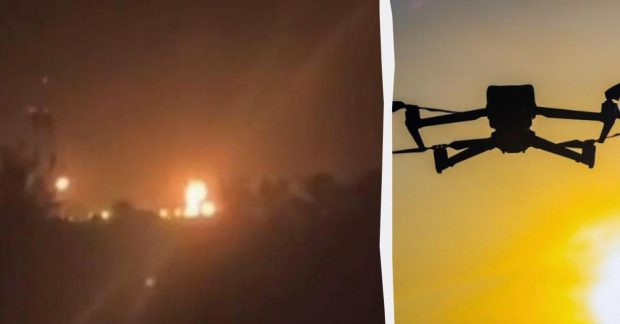
Strike on Novoshakhtinsk Refinery: Russia Faces Severe Drop in Oil Processing
A massive drone attack halted operations at the Novoshakhtinsk oil refinery in Russia's Rostov region, exacerbating a broader fuel sector crisis.
 🇺🇦Ukraine
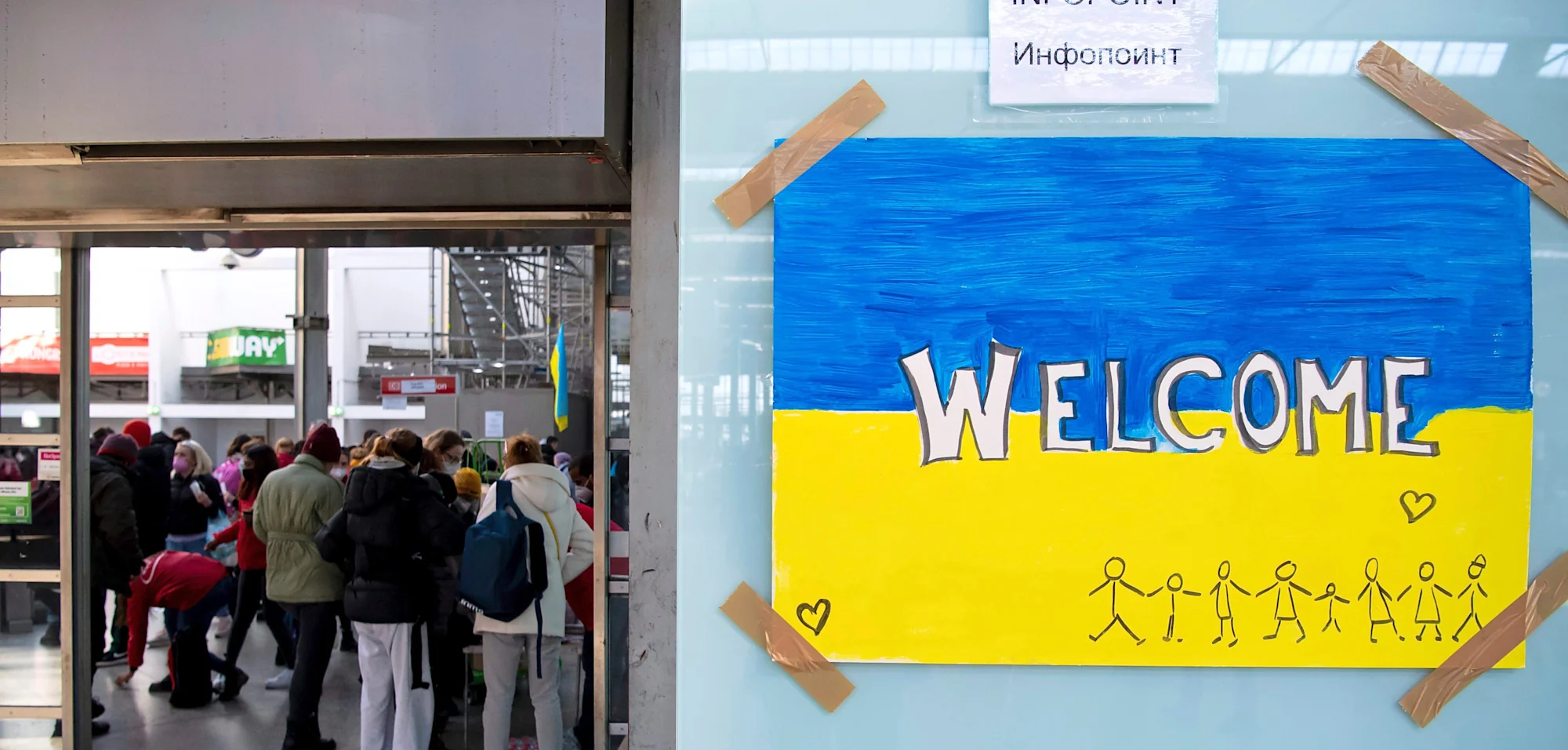
Munich converts former BMW offices to house Ukrainian refugees
Munich authorities have leased part of a former BMW administrative complex to provide housing for 600 people, primarily Ukrainian refugees.
 🛡️Security
Artificial Intelligence on the Frontline: How Ukrainian Ground Robots Are Moving Toward Autonomy
Ukrainian developers are actively integrating artificial intelligence and autopilot systems into ground robotic complexes to reduce operator dependence.
 🧠AI Analysis
New Geography of Naval Warfare: Explosions and Fires Hit Russian Vessels from Libya to the Baltic
Recent incidents involving Russian ships in Benghazi and the Gulf of Finland highlight the growing vulnerability of Moscow's global military logistics.
 🛡️Security
Zelenskyy Reports on Updated Russian Strike Plans and Energy Protection Measures
The Main Directorate of Intelligence has briefed the country's military-political leadership on Russia's renewed plans for strikes across Ukraine.
 💼Economy
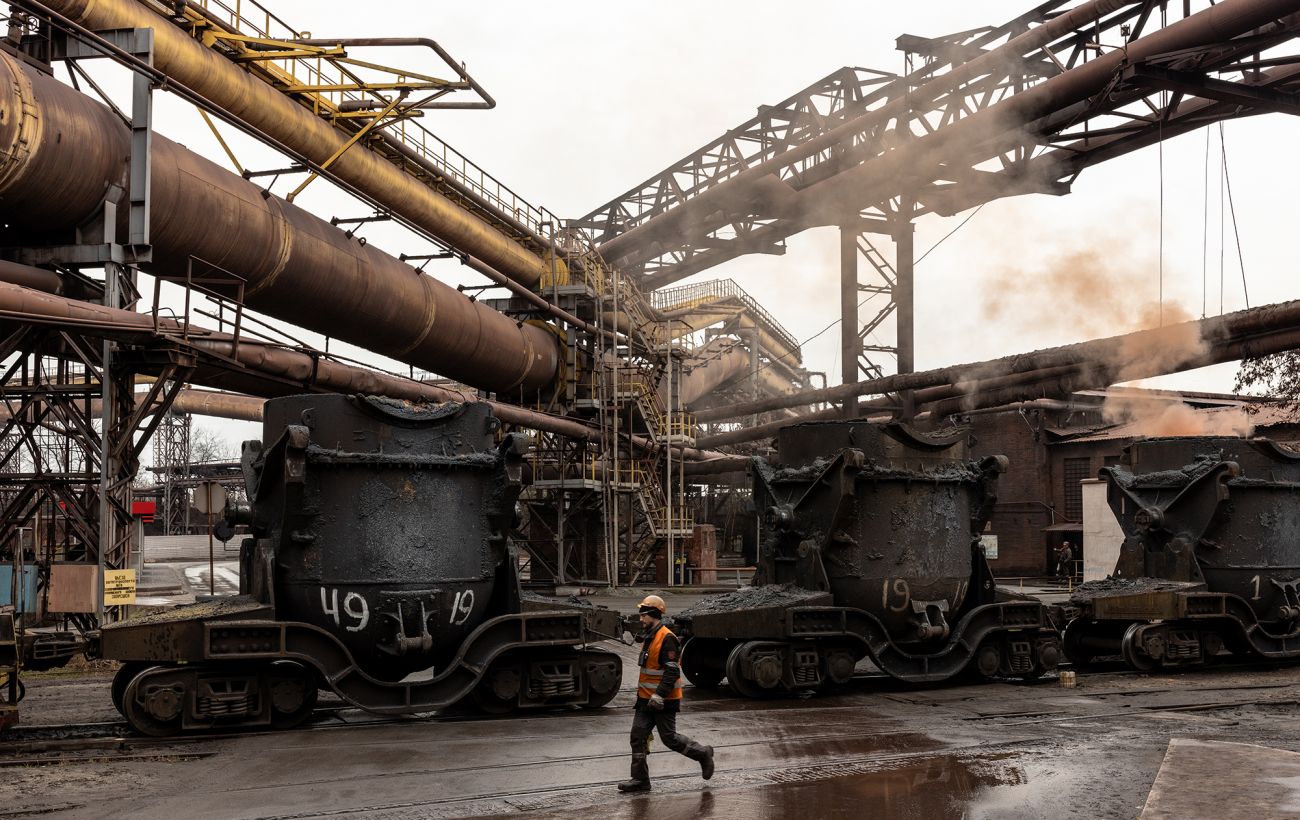
Metallurgy Crisis Expands to Public Finances, Threatening Industrial Cities and State Budgets
Production cuts in Ukraine's steel sector due to logistical and energy hurdles are triggering a cascade of declining tax revenues, threatening local and national financia…