How much water to drink daily for healthy blood pressure: cardiologists' advice
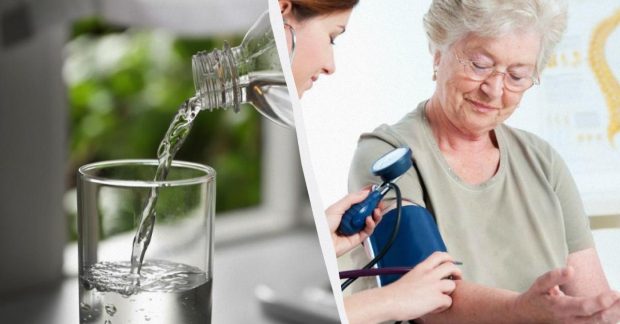
Renowned cardiologists have named the optimal daily water intake for men and women to help regulate blood pressure.
 🩺Health
Photo: UNIAN
Key points
- Women are advised to drink about 2.1 liters of water daily, and men about 3.1 liters.
- Dehydration can lower blood pressure by reducing blood volume or raise it by constricting blood vessels.
- Excess water can also trigger blood pressure spikes, especially in people with chronic illnesses.
- Hydration must be paired with reduced salt intake and physical activity for best results.
Maintaining a proper water balance is critical for the cardiovascular system. Dehydration or excess fluid can directly affect blood pressure levels. American cardiologists recommend that women consume about 2.1 liters of water per day (roughly 9 cups), while men should drink about 3.1 liters (roughly 13 cups). However, individual needs may vary depending on personal characteristics.
How fluid deficiency affects blood pressure
The human circulatory system depends heavily on fluid volume. When the body is dehydrated, the total volume of circulating blood decreases, which can cause blood pressure to drop and lead to dizziness, particularly when standing up quickly. At the same time, the body attempts to compensate for this deficit by releasing vasopressin, a hormone that narrows blood vessels and helps the kidneys retain water. This defensive mechanism often leads to the opposite effect: elevated blood pressure.
On the other hand, overhydration is also unhelpful. Research shows that doubling daily water intake can lead to a slight increase in blood pressure. Older adults and individuals with conditions such as heart failure, liver disease, or kidney problems should be especially cautious with excessive fluid intake.
A comprehensive approach to heart health
Medical experts emphasize that monitoring fluid intake is an important yet partial solution for blood pressure management. Sustainable health results require combining hydration with reduced sodium intake, increased physical activity, maintaining a healthy weight, and following prescribed medical treatments.
Source UNIAN — unian.ua/health/shcho-bude-yakshcho-piti-duzhe-malo-vodi-kardiologi… ↗
Read next
 🚨Events
Inter-agency Conflicts Among Law Enforcement: Expert Warns of Risks to Anti-Corruption System
Political expert Oleksiy Buryachenko stated that the struggle between NABU, SAP, DBR, and OGP is turning into internal wars for influence.
 💼Economy
Financial Crisis in the Agricultural Sector: Ukraine Faces Risk of Mass Farm Bankruptcies
Ukrainian agricultural producers have depleted their financial reserves due to attacks and export challenges, risking the first bankruptcies by spring.
 🎓Education
Denmark to Ban Smartphones in Schools Following Poor PISA Results
The Danish government is introducing a mandatory ban on smartphones and internet-connected devices in schools up to the 10th grade amid declining student performance.
 🏛️Politics
EU Responds to Moscow's Invitation, Emphasizes Multilateral Negotiation Format
The European Commission maintains its stance on inclusive security talks involving NATO and EU members, prioritizing multilateral cooperation over bilateral invitations f…
 🏛️Politics
SAP Prosecutor Praises NABU Media Team Amid Criticism of Evidence Quality
SAP prosecutor Rostyslav Batig highlighted the professionalism of NABU's video editors when questioned about the effectiveness of evidence in high-profile anti-corruption…
 🛡️Security
Strike on Novoshakhtinsk Refinery: Russia Faces Severe Drop in Oil Processing
A massive drone attack halted operations at the Novoshakhtinsk oil refinery in Russia's Rostov region, exacerbating a broader fuel sector crisis.