Cascading Crisis in Metallurgy Threatens Ukrainian City Budgets and the Transport Sector
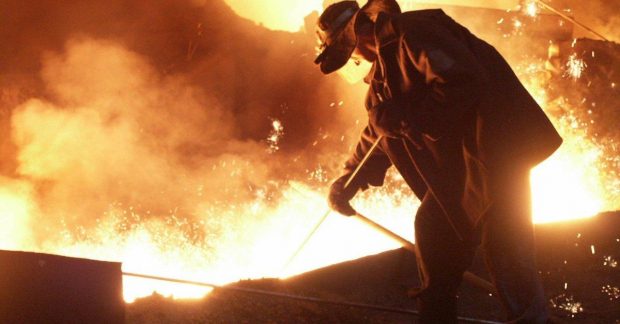
Falling production in the domestic mining and metals sector has caused tax and job shortages, impacting related industries such as transport and energy.
 🚌Transport
Photo: UNIAN
Key points
- Metallurgy crisis threatens state and local finances.
- Tax and order cuts impact related sectors, including transport.
- Industrial cities are forced to scale back development budgets and infrastructure projects.
The crisis in Ukraine's mining and metals sector is evolving into a systemic threat to both public finances and industrial community budgets. Production cuts automatically trigger a decline in tax revenues, job losses, and a sharp drop in orders for related economic sectors such as energy, logistics, and engineering.
Chain Reaction in the Labor Market and Budgets
According to analysts, the deteriorating situation is driven by continuous Russian shelling, restrictions in European Union export markets, expensive logistics, power shortages, and the blockade of Black Sea ports. Leading companies in the industry, including Metinvest, the Dniprovsky Metallurgical Plant, and ArcelorMittal Kryvyi Rih, are recording significant decreases in tax payments and are forced to revise their production plans.
This downturn hits local budgets of industrial cities particularly hard, as taxes from major enterprises form the lion's share of revenues. Consequently, local authorities in various regions are already forced to resort to budget sequestration and freeze infrastructure projects, road maintenance, utility spending, and social facilities due to a lack of funds.
Consequences for Logistics and Related Industries
The reduction in metallurgical output directly affects the transport sector and railways, which are losing a substantial portion of freight traffic. Fewer orders for carriers and service companies lead to declining revenues, further disrupting the economic chain. Meanwhile, shrinking purchasing power among residents in affected regions puts additional pressure on small businesses and the service sector.
Experts emphasize that resolving the issue requires comprehensive steps at the state level, as preserving the tax base and jobs directly depends on stabilizing energy supplies, unblocking export routes, and optimizing logistics costs.
Source UNIAN — unian.ua/society/kaskadniy-efekt-padinnya-virobnictva-u-metalurgiji… ↗
Read next
 🛡️Security
Artificial Intelligence on the Frontline: How Ukrainian Ground Robots Are Moving Toward Autonomy
Ukrainian developers are actively integrating artificial intelligence and autopilot systems into ground robotic complexes to reduce operator dependence.
 🧠AI Analysis
New Geography of Naval Warfare: Explosions and Fires Hit Russian Vessels from Libya to the Baltic
Recent incidents involving Russian ships in Benghazi and the Gulf of Finland highlight the growing vulnerability of Moscow's global military logistics.
 🛡️Security
Zelenskyy Reports on Updated Russian Strike Plans and Energy Protection Measures
The Main Directorate of Intelligence has briefed the country's military-political leadership on Russia's renewed plans for strikes across Ukraine.
 💼Economy
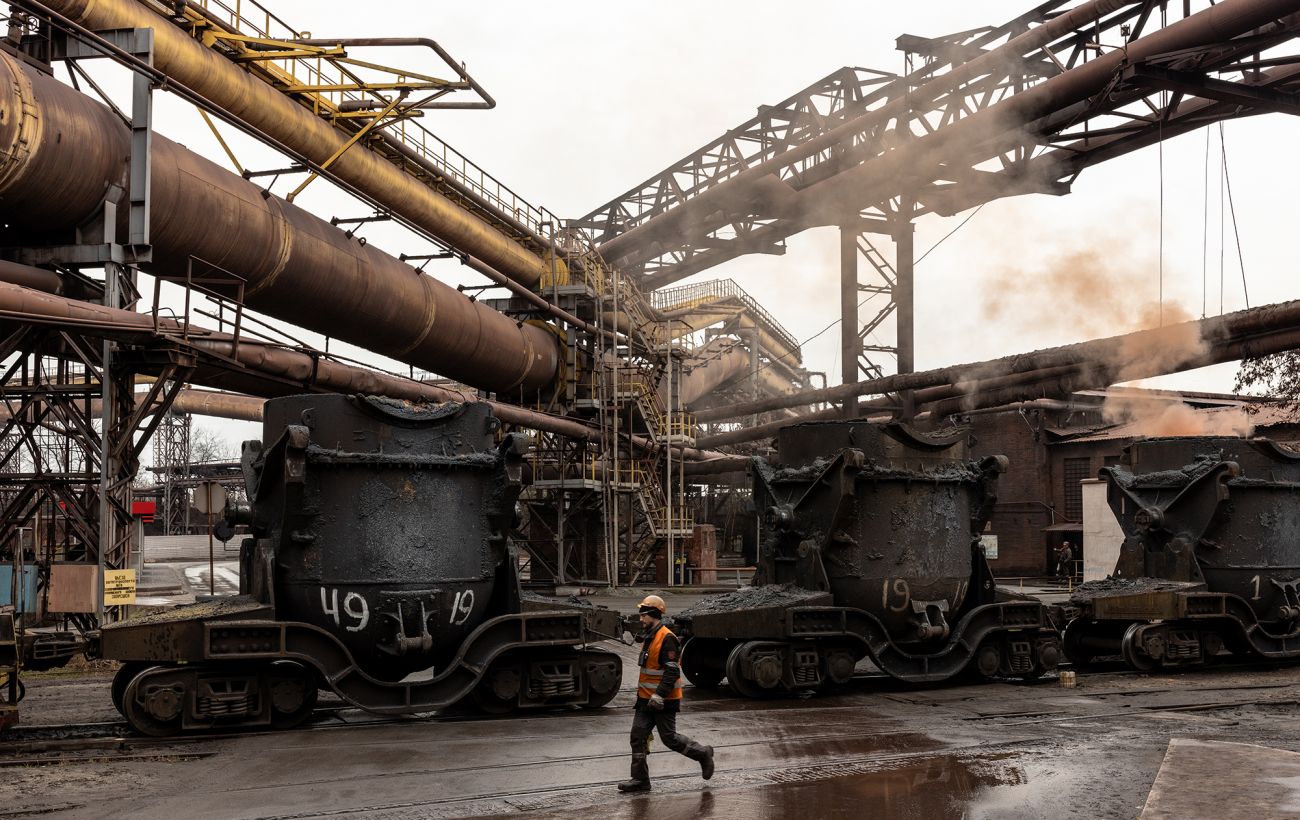
Metallurgy Crisis Expands to Public Finances, Threatening Industrial Cities and State Budgets
Production cuts in Ukraine's steel sector due to logistical and energy hurdles are triggering a cascade of declining tax revenues, threatening local and national financia…
 🛡️Security
Defense Ministry: Russia launched over 4,000 jet drones against Ukraine in October
The intensity of enemy air attacks has increased significantly compared to the beginning of the year amid growing production rates.
 🏛️Politics
NABU and SAPO Expose Former Vice Prime Minister Over Budget Embezzlement Through Fake Employment Scheme
Anti-corruption agencies served notice of suspicion to a former vice prime minister and two officials over a scheme involving fake hiring of security and drivers at state…