EU spent more on Russian energy than on aid to Ukraine, European Commission data shows
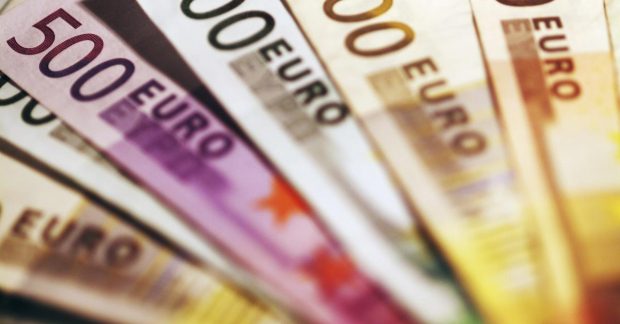
According to European Commission data, since 2022, EU member states have paid more to Russia for energy resources than the total financial support provided to Ukraine.
 🇺🇦Ukraine
Photo: UNIAN
Key points
- EU spent 232 billion euros on Russian energy imports
- Financial aid to Ukraine totaled 231.5 billion euros
- France and Italy paid more to Russia than they provided to Ukraine
- MEPs call for greater consistency in sanctions policy
Financial imbalance in relations with Russia
Since 2022, European countries have allocated approximately 231.5 billion euros to support Ukraine. However, according to an official response from the European Commission to a request by MEP Moritz Körner, 232.05 billion euros have flowed from the EU to Russia for energy imports during the same period.
This situation has drawn sharp criticism from European politicians. Moritz Körner labeled the situation as "evidence of a complete failure of European consistency." He argued that Europe is effectively financing both sides of the conflict simultaneously.
Criticism of national policies
Particular attention is drawn to the figures for individual countries, where payments to Russia significantly exceed aid to Ukraine. For example, France paid about 40 billion euros for Russian imports, while providing only about 16 billion euros to Ukraine. A similar discrepancy is observed in Italy.
"Europe pays as much for Putin's energy as it does for resisting him. And then it wonders why the war does not end," Moritz Körner stated.
Despite these figures, the European Union continues its institutional support for Ukraine, recently allocating nearly 8 billion euros under the Ukraine Facility program, marking the largest single tranche in the program's history.
Source UNIAN — unian.ua/economics/energetics/yevropeyci-zaplatili-rosiji-za-energo… ↗
Read next
 💼Economy
Financial Crisis in the Agricultural Sector: Ukraine Faces Risk of Mass Farm Bankruptcies
Ukrainian agricultural producers have depleted their financial reserves due to attacks and export challenges, risking the first bankruptcies by spring.
 🎓Education
Denmark to Ban Smartphones in Schools Following Poor PISA Results
The Danish government is introducing a mandatory ban on smartphones and internet-connected devices in schools up to the 10th grade amid declining student performance.
 🏛️Politics
EU Responds to Moscow's Invitation, Emphasizes Multilateral Negotiation Format
The European Commission maintains its stance on inclusive security talks involving NATO and EU members, prioritizing multilateral cooperation over bilateral invitations f…
 🏛️Politics
SAP Prosecutor Praises NABU Media Team Amid Criticism of Evidence Quality
SAP prosecutor Rostyslav Batig highlighted the professionalism of NABU's video editors when questioned about the effectiveness of evidence in high-profile anti-corruption…
 🛡️Security
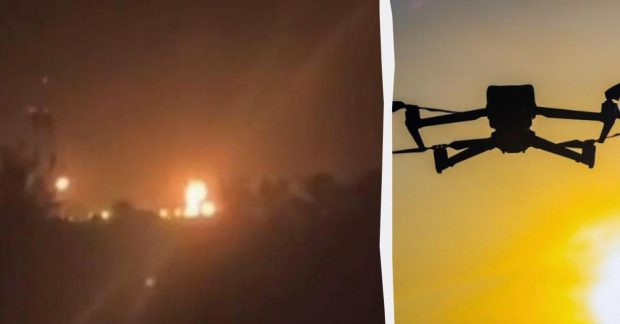
Strike on Novoshakhtinsk Refinery: Russia Faces Severe Drop in Oil Processing
A massive drone attack halted operations at the Novoshakhtinsk oil refinery in Russia's Rostov region, exacerbating a broader fuel sector crisis.
 🩺Health
Scientists identify two critical periods of accelerated immune system aging
New research from Singapore indicates that human immunity does not age gradually, but in sudden jumps at the ages of 40 and 60.