Poultry Farming in Lozova: Pros and Cons of Using Sand in Chicken Coops
Local poultry owners are exploring sand bedding as a way to improve hygiene and simplify coop maintenance in the private sector.
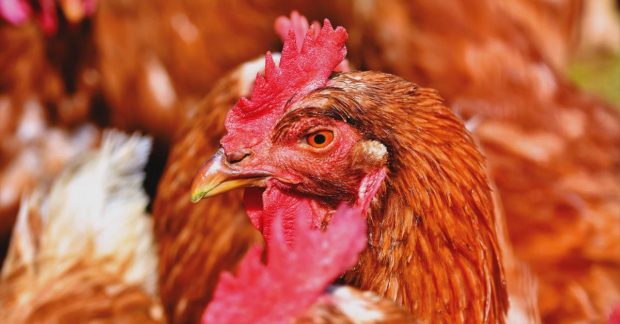 💼Economy
Photo: UNIAN
Key points
- Sand bedding keeps coops drier and reduces the presence of pests.
- River or construction sand is ideal; sea sand is harmful due to salt.
- Sand's lack of insulation makes it a poor choice for unheated coops in winter.
For many residents of Lozova who maintain private poultry farms, keeping coops clean is a constant challenge. Traditional materials like straw or wood shavings often become damp and difficult to manage. Experts suggest that using sand as bedding can be a game-changer for maintaining a healthy environment for chickens, offering several practical benefits for household management.
Sanitation and Dust Baths
Applying a 5-10 cm layer of sand on the coop floor allows droppings to dry quickly on the surface. "The goal is for the droppings to dry on the surface, making them easy to remove with a shovel or sift through a sieve," experts explain. This method significantly reduces odors and fly populations, leading to cleaner eggs and a more pleasant environment for the owner.
Beyond floor covering, sand is essential for dust baths. A dedicated container filled with sand and wood ash helps chickens combat external parasites like red mites. The sand particles absorb excess skin oil, keeping feathers clean and healthy. For a small flock, a box measuring 50x50 cm is usually sufficient.
Winter Challenges and Material Choice
However, sand has its drawbacks, particularly regarding the local climate in the Kharkiv region. Sand conducts cold efficiently and can freeze during harsh winters, making it uncomfortable for the birds' feet. Furthermore, unlike straw, sand mixed with manure does not compost well, which might disrupt the traditional fertilizer cycle used by many local gardeners.
When choosing material, washed river sand or medium-grain construction sand is preferred. Sea sand should be avoided due to its salt content. Many poultry farmers in Lozova might find a combined approach most effective: using sand specifically under roosting areas where waste accumulates most, while keeping straw or hemp fiber in other areas for warmth and easier composting.
Source UNIAN — unian.ua/curiosities/yaka-suha-pidstilka-pidhodit-dlya-kurey-ptahiv… ↗
Read next
 🛡️Security
Defense Ministry: Russia launched over 4,000 jet drones against Ukraine in October
The intensity of enemy air attacks has increased significantly compared to the beginning of the year amid growing production rates.
 🏛️Politics
NABU and SAPO Expose Former Vice Prime Minister Over Budget Embezzlement Through Fake Employment Scheme
Anti-corruption agencies served notice of suspicion to a former vice prime minister and two officials over a scheme involving fake hiring of security and drivers at state…
 🇺🇦Ukraine
Estonia Refutes Rumors of Trump Demanding End to Aid for Ukraine
Estonian Prime Minister Kristen Michal stated that Donald Trump did not call on Europe to halt aid to Ukraine, suggesting potential translation errors.
 🧠AI Analysis
PC Component Market Faces Price Drop: Experts Predict RAM and SSD Deflation by 2027
According to analysts at South Korean financial firm BNK, the slowing AI boom and accumulating warehouse inventories will lead to a sharp decline in RAM, SSD, and graphic…
 🩺Health
Salmon Alternative: Which Fish Is the Real Leader in Omega-3 Content
Nutrition experts have found that Atlantic mackerel outperforms popular salmon in terms of beneficial omega-3 fatty acids.
 🏛️Politics
Volodymyr Zelenskyy stresses effectiveness of Ukraine's NATO membership over separate security guarantees
During his address to the NATO Parliamentary Assembly, the President of Ukraine stated that full membership in the Alliance is the most reliable and cost-effective securi…